

Last week marked an inspiring milestone for the MR Latvia project across the Baltics, bringing together education, collaboration, and cutting-edge research in magnetic resonance.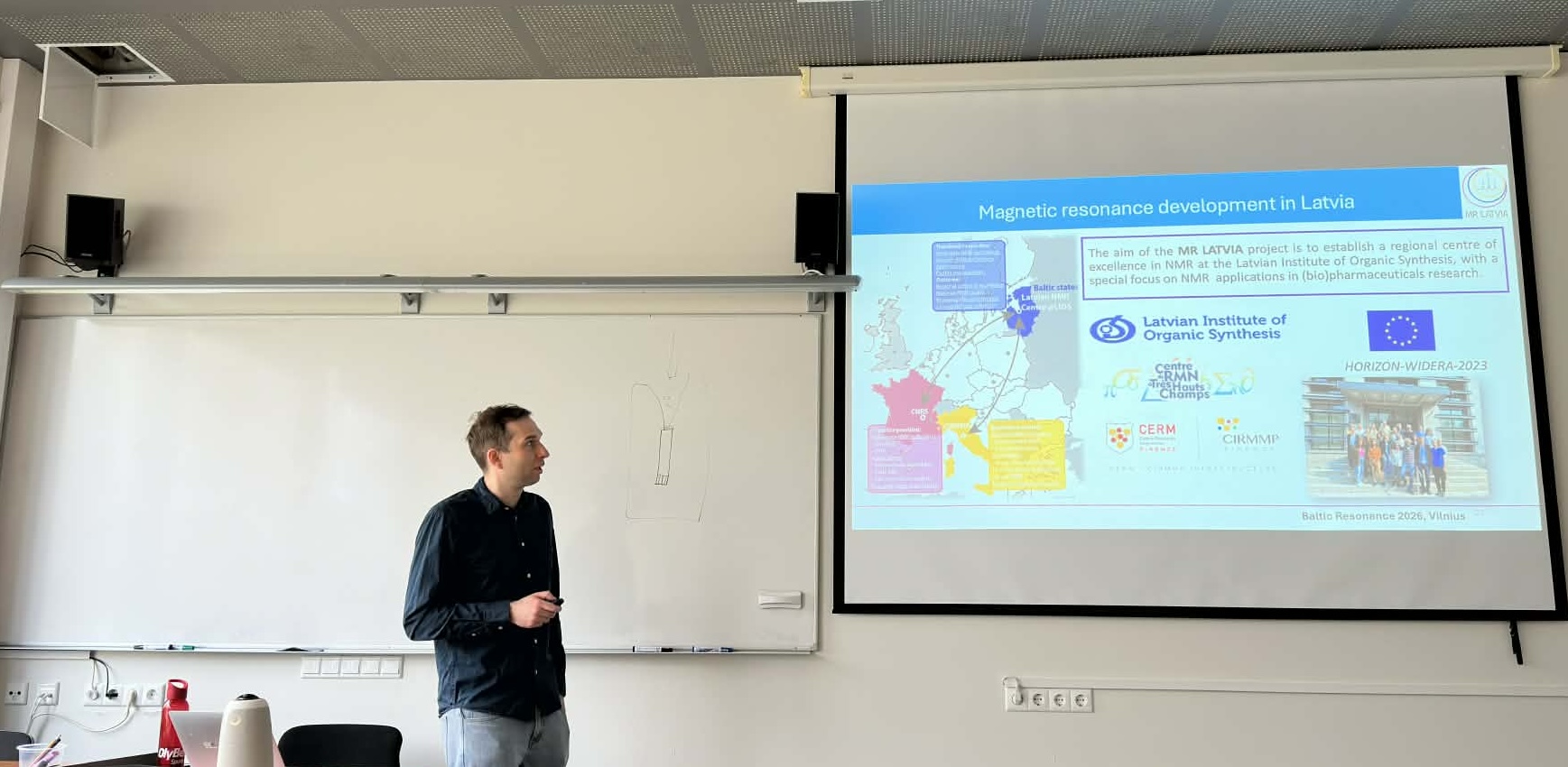
Alons Lends
The journey began at the University of Tartu, where Dr. Alons Lends delivered a series of lectures on NMR fundamentals and their practical applications, equipping participants with essential knowledge for advancing research in structural biology and chemistry. These sessions set the stage for deeper scientific exchange later in the week.
Alvis Zvirgzdiņš
Jana Petkus
Diana Nino Avellaneda
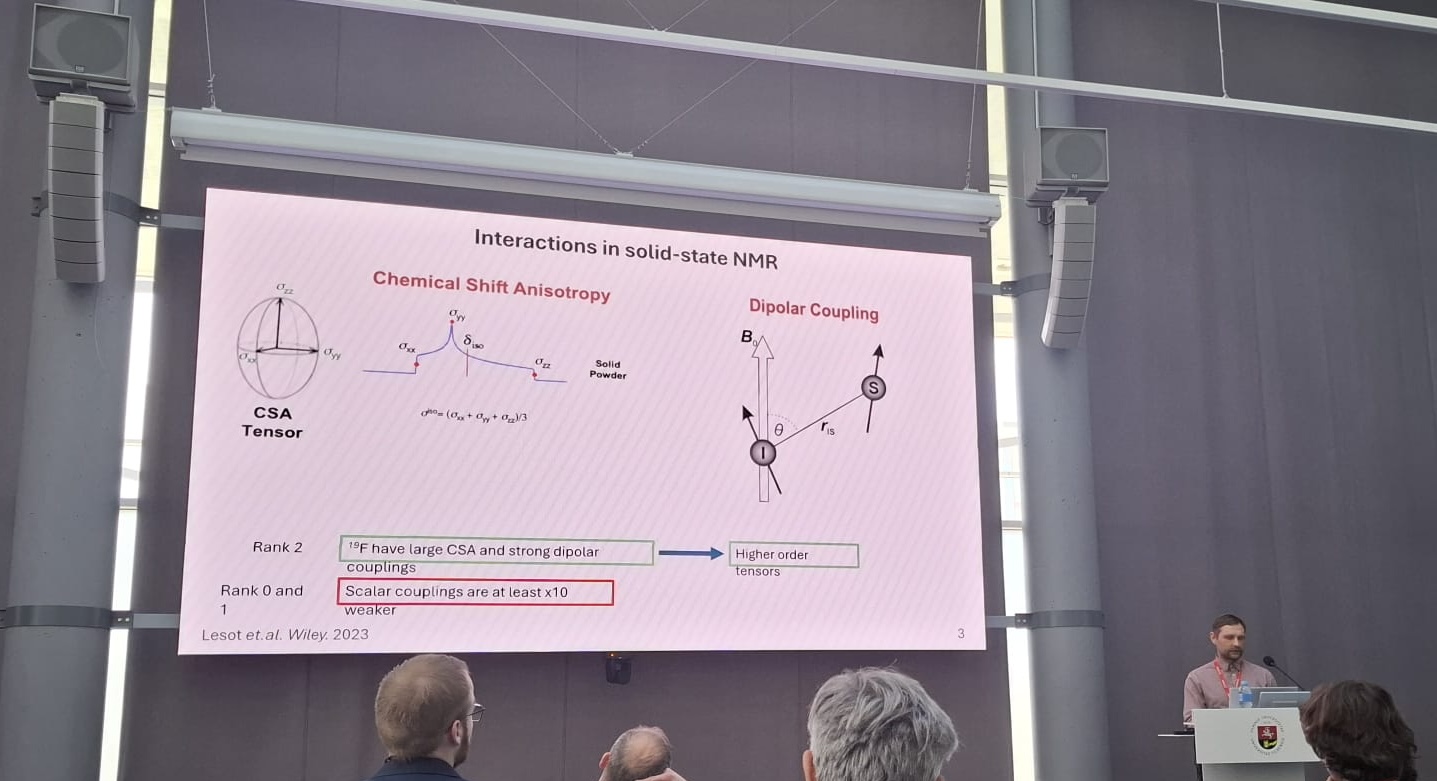
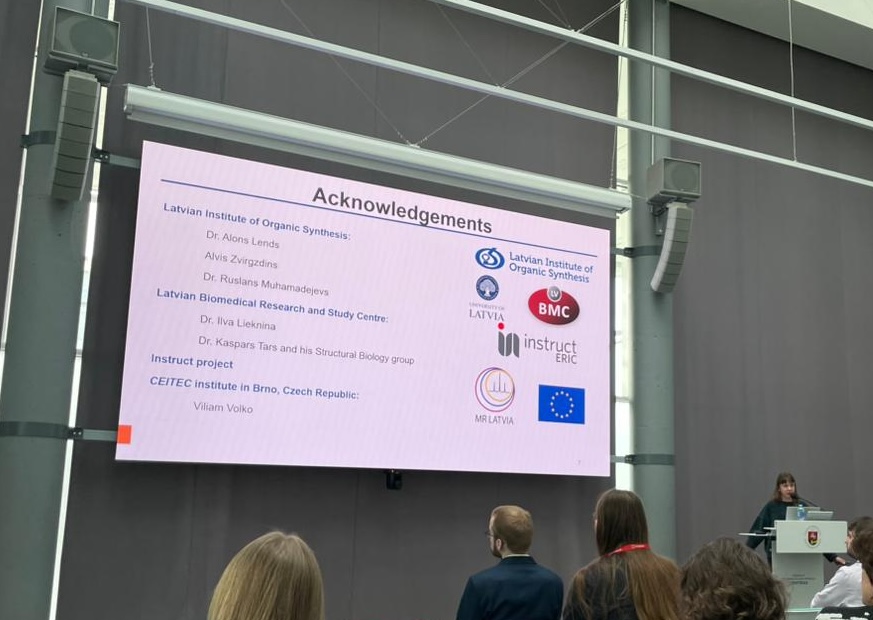
The momentum continued at Vilnius University during the 2nd Baltic Resonance Meeting, where the entire MR Latvia team had the opportunity to participate: Alons Lends, Alvis Zvirgzdins, Jana Petkus, Kristine Senkane, and Diana Nino Avellaneda. Together with regional experts and collaborators, they shared progress, presented new scientific results, and strengthened connections across the Baltic NMR community.
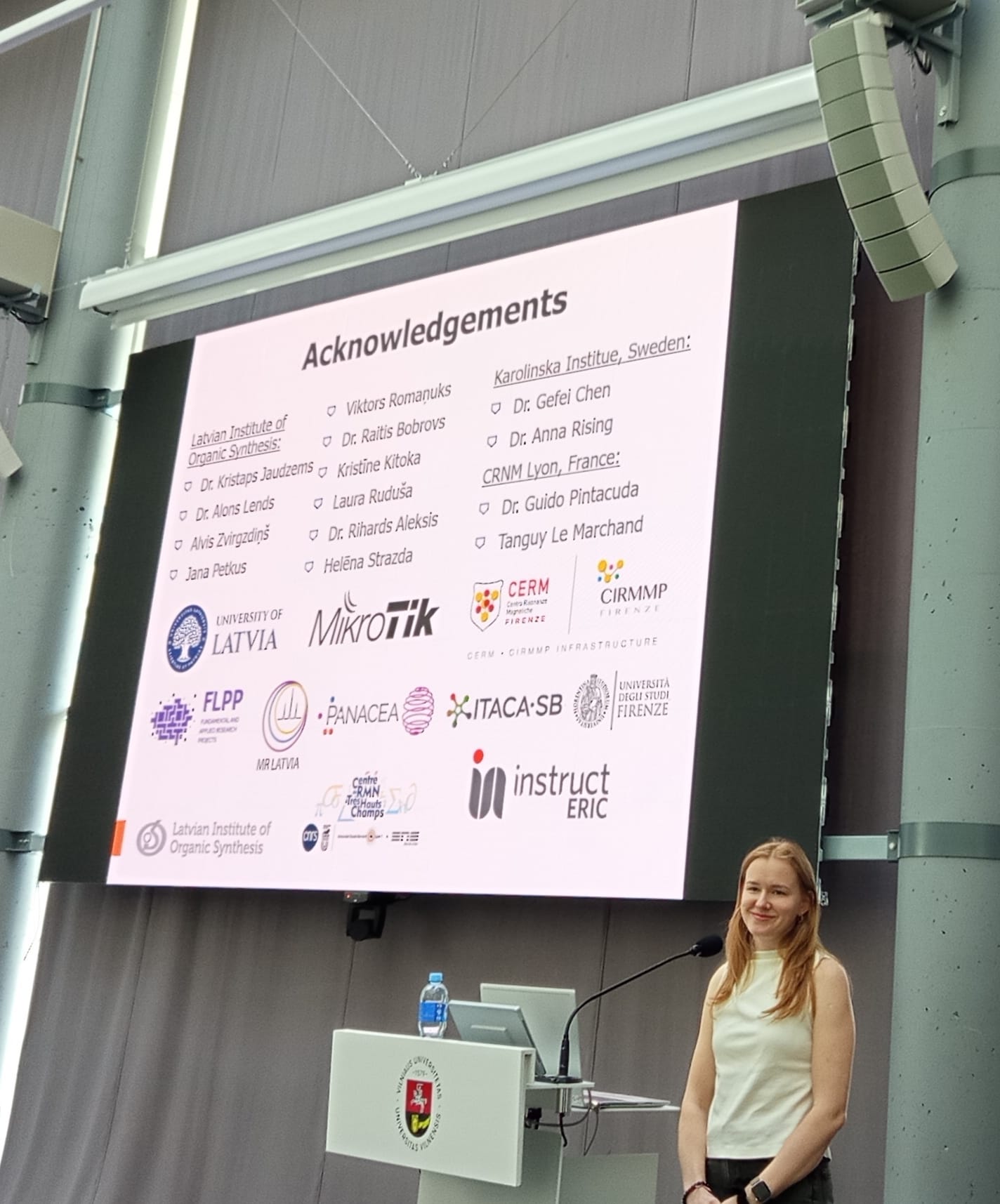
Kristine Sankane
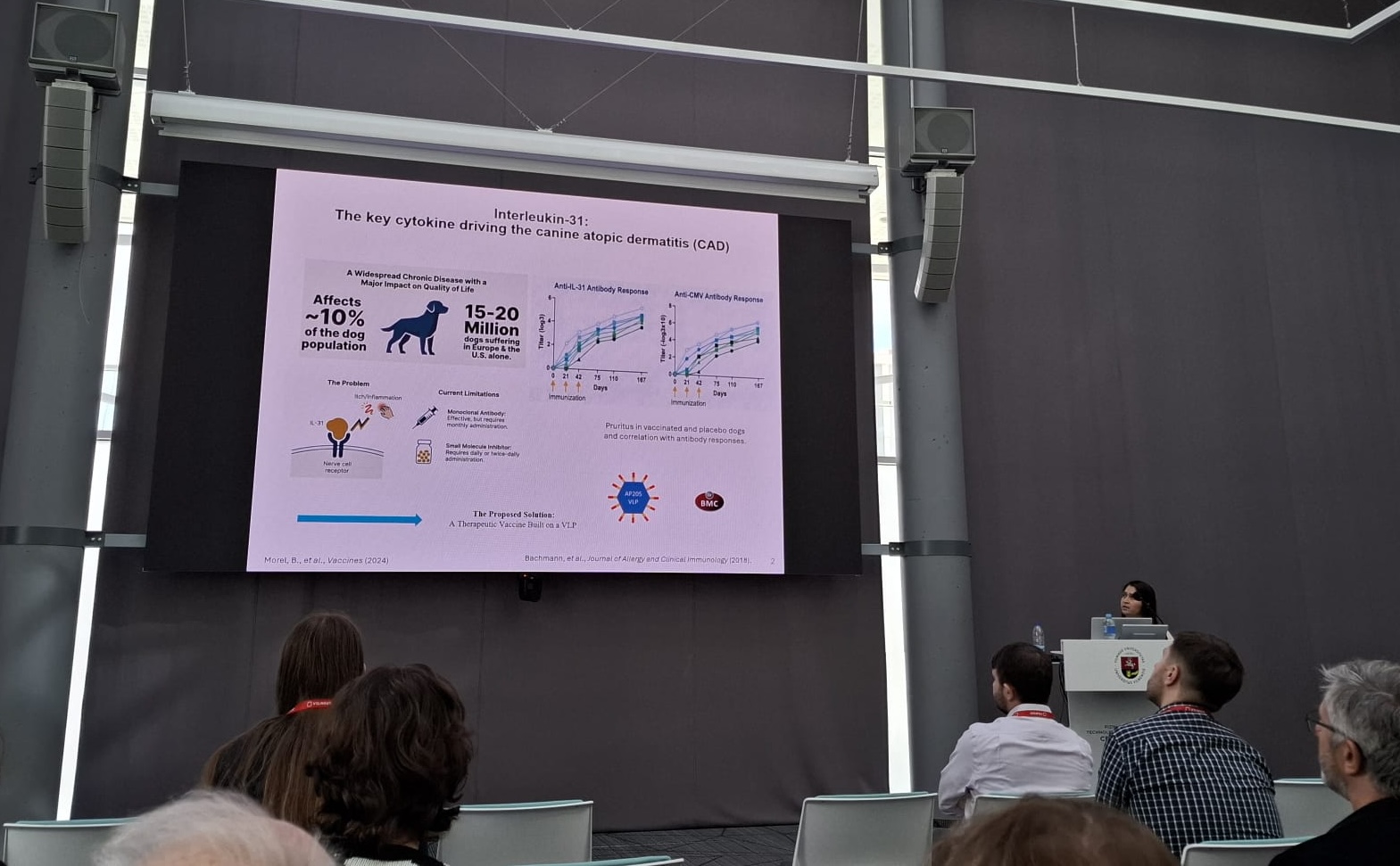
Among the highlights was a presentation on interleukin-31 (IL-31), identified as a key cytokine driving canine atopic dermatitis (CAD)—a widespread chronic condition affecting around 10% of the dog population, with an estimated 15–20 million cases across Europe and the U.S. The work showcased how targeting IL-31 through innovative approaches, such as therapeutic vaccines based on virus-like particles (VLPs), could offer promising new treatment strategies. Attendees also explored data on antibody responses and correlations with reduced pruritus, underlining the clinical relevance of this research.
The event also marked the unveiling of a new free-access MR Latvia platform, designed to enhance collaboration, data sharing, and accessibility of magnetic resonance technologies across the region.
This progress is made possible through strong partnerships with institutions including the Latvian Institute of Organic Synthesis, Karolinska Institute, and research centers in France and the Czech Republic, as well as support from initiatives like Instruct-ERIC.
Stronger together, we are advancing NMR science and innovation across the Baltics.